
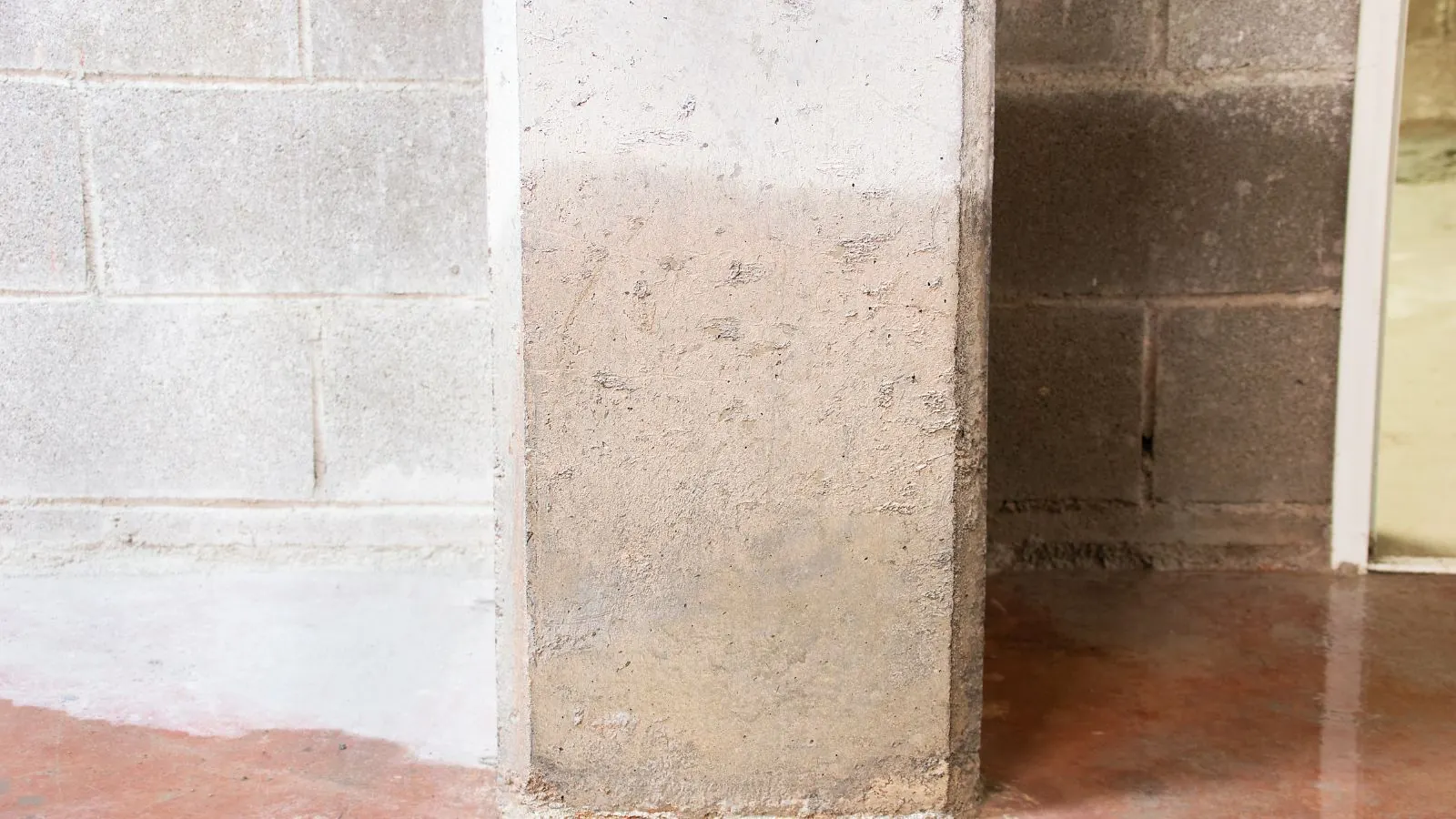
Water extraction is the removal of standing water from floors, carpet and low spaces using submersible pumps, wet vacuums and weighted extraction tools. When water is sitting in a Liberty, MO home, the first hours matter, because every hour in contact with drywall, wood and padding adds to the repair list. This line takes emergency water removal calls at night, on weekends and on holidays.
While you wait for a crew, stop the water at its source if you can reach the valve safely, keep everyone out of any room where water touches outlets or the electrical panel, and lift small valuables off the floor. If you smell gas or see sparks, leave and call 911 first, then call us.
When standing water is an emergency
Not every wet floor is an emergency, but several situations are. Water deeper than a puddle, water that keeps arriving, water that has reached drywall or an electrical outlet, and any water that came from a drain or toilet should be treated as urgent. The same is true when the water is on a finished floor above a ceiling, because it can travel down through the floor system and show up in the room below.
Homeowners across Liberty, Kearney and Smithville describe the same few starting points: a failed supply line, a clogged drain, rain that came in a window well, or a basement that took on water overnight. The source changes the cleanup plan, so the first phone call covers where the water came from, how deep it is and what it has touched.
How crews remove the water
Crews match the tool to the depth. Submersible pumps handle several inches of water in a basement or garage. Portable extraction units pull water out of carpet, pad and hard floors. Weighted extractors press water from carpet fibers on the floor, and wet vacuums finish the edges and corners. Shallow water that cannot be pumped is lifted with extraction wands rather than left to evaporate into the house.
Extraction takes out the bulk water. It does not make a structure dry. Wood framing, drywall and subfloors still hold moisture afterward, and that is measured with moisture meters before anyone calls the job finished. The follow-on step is structural drying and dehumidification, where air movers and dehumidifiers pull the remaining moisture out of the building.
Water on the floor at 2 a.m.?
The line is answered all night. Describe the depth and the source and the next steps are explained before any work starts.
Water category decides the method
The industry standard ANSI/IICRC S500 sorts water into three categories by how contaminated it is. The category decides what can be dried in place and what has to be removed.
| Category | Typical source | What it means for extraction |
|---|---|---|
| Category 1 | Supply line, tub overflow with clean water | Extract and dry in place when caught early |
| Category 2 | Washing machine or dishwasher discharge, sump overflow | Extract, clean affected materials, remove porous items such as carpet pad |
| Category 3 | Sewage, river or surface flood water | Protective gear, removal of porous materials, disinfection. See sewage backup cleanup |
Clean water that sits for a day or two can degrade into a higher category, so a Category 1 loss is still worth a fast call.
What this service does not cover
This page is about water inside a building. Pumping a flooded yard, a pool or an exterior drainage problem is a different kind of work and is not offered here. If your real problem is water coming through a foundation after every rain, restoration cleans up the damage but does not waterproof the structure, and a drainage or foundation contractor handles the cause.
If the water is part of a bigger event, the flood damage cleanup page covers surface and groundwater flooding, and the basement water damage page covers below-grade rooms.
Documenting the loss for your insurer
Insurance coverage depends on the cause of the loss and the terms of your policy, so ask your insurer what applies. Sudden and accidental water damage is often covered, while long-term seepage and neglect often are not, and flood damage usually needs separate flood coverage.
Photograph the water before it is removed, note the time you found it and keep the damaged items until your adjuster says otherwise. A written scope with moisture readings makes the claim conversation easier, and that scope is part of every job.
What decides the price of water extraction
The price depends on the job, so no flat number is quoted here. These five factors move it the most.
Water category
Clean, gray and black water need different gear, disposal and protective measures.
Depth and area
Several inches across a finished basement takes more pumping time than a damp utility room.
Materials touched
Carpet, pad, laminate and drywall react differently and set the removal list.
Access
Stairs, tight crawl spaces and furnished rooms slow the work.
Time in contact
Water that sat for days has soaked deeper and usually adds drying work.
Describe the standing water when you call (833) 521-1033, and the pump setup, drying plan and price are walked through before anyone starts.
Before the crew arrives
These steps are for your safety first and the building second.
Stop the source
Close the shutoff valve for the fixture or the main valve if the source is a pipe, and only if the area is safe to reach.
Mind the electricity
Stay out of rooms where water touches outlets or the panel. Turn off power only if the panel is dry and reachable.
Lift what you can
Raise small valuables, rugs and electronics off the floor and keep children and pets out of the water.
Take photos
Photograph the water and the damage from several angles before anything is moved.
Questions about water extraction
Do you handle water extraction emergencies at night or on weekends in Liberty?
Yes. The line is answered 24 hours a day, including nights, weekends and holidays, and the first call covers the source, the depth and what the water has touched. We do not promise an arrival time on the phone.
How is extraction different from drying?
Extraction removes standing and bulk water. Drying removes moisture held inside walls, floors and framing. Most jobs need both, and structural drying follows extraction.
Can you pump water out of my yard or pool?
No. Exterior yard and pool pumping is not part of this service. The work here is water inside homes and businesses.
Will I need to move out during extraction?
It depends on the room and the water category. Clean water in one room rarely needs it, while contaminated water in living areas often does. You will hear the plan before work starts.
Water still on the floor?
The line is answered at every hour, so describe the water and get the next safe step.