
Structural drying and dehumidification is the process of removing moisture from walls, floors, ceilings and framing after a leak or flood using air movers, dehumidifiers and moisture monitoring. When people in Liberty, MO describe the problem, they say the wall still feels damp, the carpet is wet days later or the whole house smells musty. The trade name for the fix is water mitigation, and the line is open 24/7.
Drying does not mean running a few fans. It means measuring where moisture is, moving air across wet surfaces, controlling humidity in the room and checking readings until materials return to normal.
The wall still feels damp, or the house smells musty: what is happening
If a surface feels cool and damp days after the water was cleaned up, the moisture is still in the material. Drywall, wood and concrete hold water long after the surface looks fine. The musty smell comes from moisture and, in time, from microbial growth.
That is the problem structural drying solves. The solution is to find the water, remove standing water, and dry the structure with equipment while readings are tracked.
Moisture mapping and water mitigation
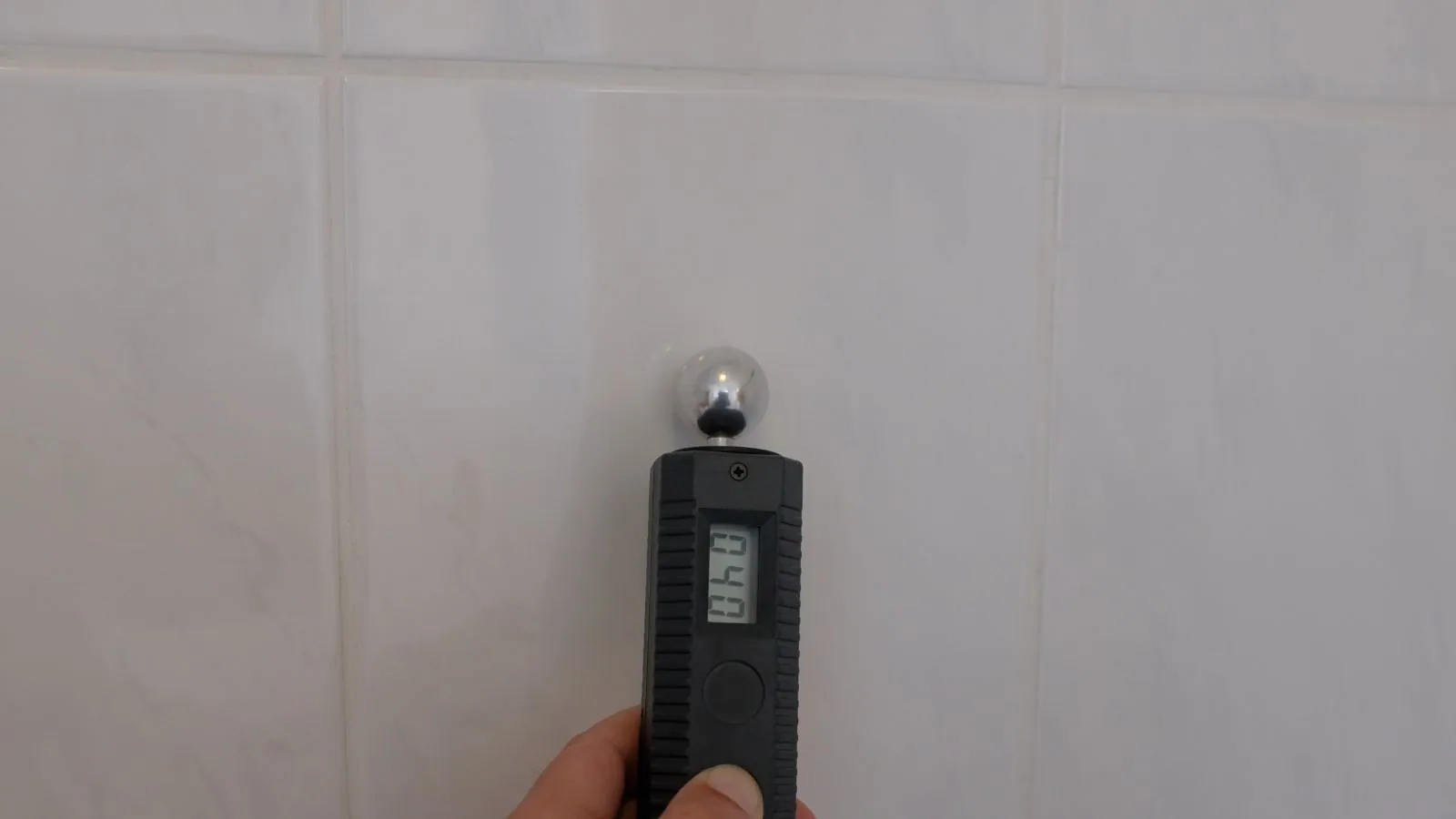
Moisture mapping uses meters and a thermal camera to trace where water traveled. Readings are recorded at points on a floor plan, then repeated daily. Water mitigation is the term for the whole process of stopping further damage, which includes extraction, removal of materials that cannot dry, and drying.
The mapping step matters because water travels past what you can see. A stain on a ceiling can mean a wet wall cavity and wet insulation.
Walls feel damp days later?
Call the 24/7 line and ask about moisture readings.
Equipment used in structural drying
| Equipment | What it does |
|---|---|
| Air movers | Push air across wet surfaces to speed evaporation |
| LGR dehumidifiers | Pull evaporated moisture out of the air so it does not settle back |
| Desiccant dehumidifiers | Handle low-humidity drying or cold spaces |
| Moisture meters | Measure moisture in wood, drywall and concrete |
| Thermal camera | Shows temperature patterns that point to wet areas |
| Hydrometer | Measures humidity in the air |
Equipment is used on the job. It is not rented out separately, and a rented fan without a plan often leaves materials wet inside.
How long drying takes
There is no fixed number of days. Drying time depends on materials, the amount of water, humidity and how well air moves through the space. Many jobs run several days. Equipment is checked daily, adjusted and removed only when readings for each material reach the dry standard for that job.
Drying follows extraction, as described on water extraction. Wet carpet and pad decisions are on carpet water damage restoration, and the wall-cavity side is on wall and drywall water damage repair.
Drying and insurance records
Daily moisture logs help a claim by showing what was wet and when it was dry. Ask for a copy of the readings. Coverage depends on the cause and your policy, so check with your insurer.
The published standard behind this work
The drying plan for structural drying dehumidification follows ANSI/IICRC S500, the published industry standard for water damage restoration. It is a document anyone can look up, and it does not depend on trusting a company name. Among other things it covers how the water source is classified, how drying goals are set and how moisture readings are logged.
That gives you something concrete to ask for. Request the starting readings and the readings at each visit in writing, so the file shows what was wet, what dried and when the work was finished.
What affects drying costs
Materials involved
Hardwood, concrete and plaster dry slower than drywall.
Affected area
Square footage drives equipment count.
Water category
Contaminated water may require material removal before drying.
Drying days
Equipment time is tied to readings, not a set number.
Monitoring visits
Daily checks are part of the scope.
Call (833) 521-1033 and describe the wet materials, and the equipment count and monitoring plan are explained before setup.
While drying is underway
A few habits help the equipment work.
Keep doors and windows closed
The dehumidifiers work well in a sealed drying zone.
Leave equipment alone
Do not move or switch off units without checking.
Expect noise
Air movers and dehumidifiers run continuously.
Ask for readings
Request the daily moisture log.
Questions about structural drying
Do you handle drying emergencies at night or on weekends in Liberty?
Yes. The line is open around the clock, and starting drying early limits damage.
Can I rent air movers and dehumidifiers from you?
No. Equipment is used on jobs and not rented out. Without moisture mapping, rented equipment can leave materials wet inside.
How do you know when a structure is dry?
Moisture meters read the materials and are compared with unaffected areas. Readings, not time, decide when drying is done.
Why does it smell musty after the water is gone?
Moisture left in materials and microbial growth cause odor. Finding and drying the source usually reduces it.
Walls still damp?
The sooner drying starts, the less has to come out. Call and describe the wet area.