
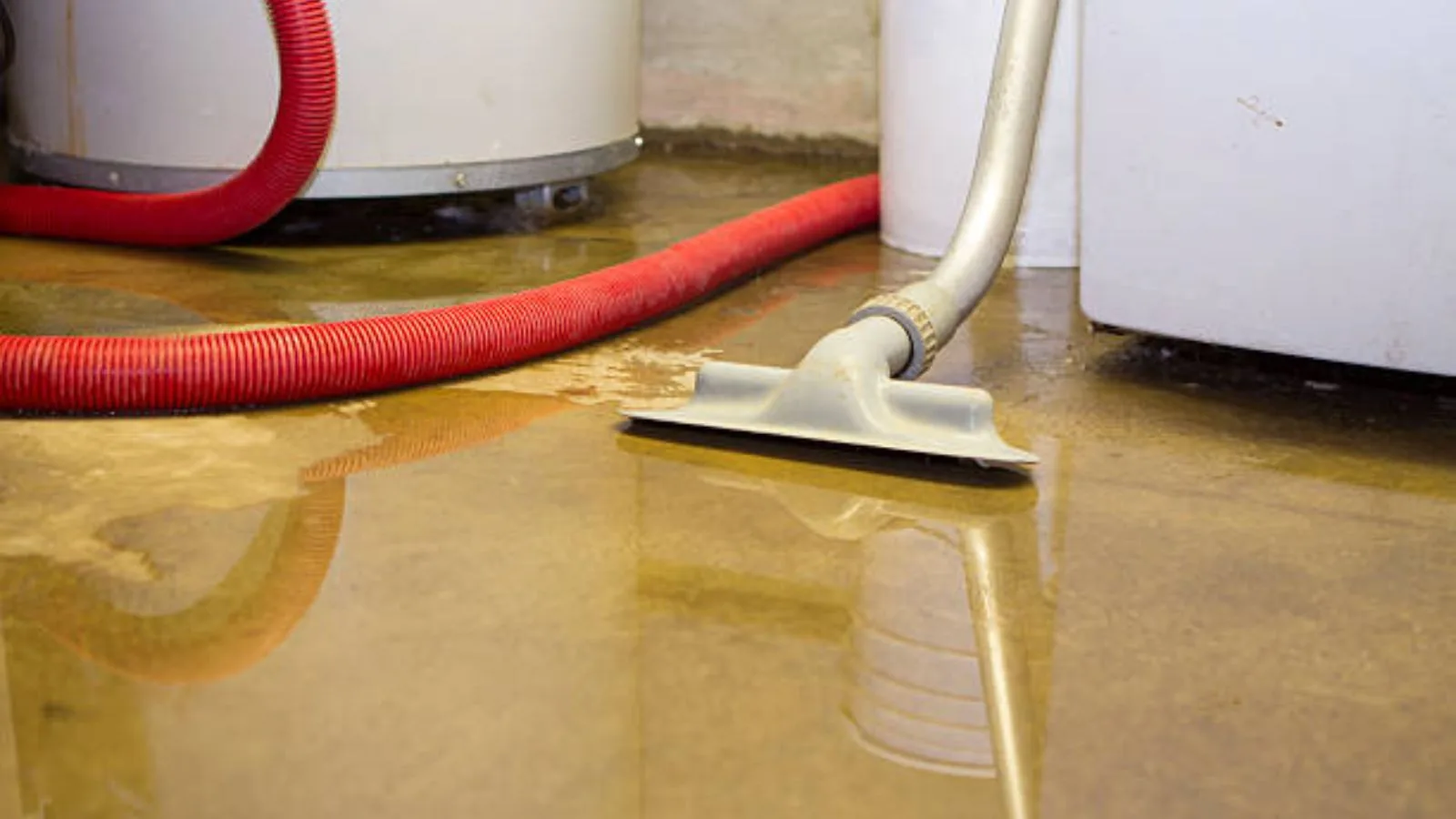
When a restoration company asks what kind of water you have, it is not small talk. The answer sets the safety plan, the cleaning method and which materials can stay. The industry standard ANSI/IICRC S500 sorts water into three categories based on how contaminated it is.
This guide explains the three categories in plain words, how water can move from one to another and why you should never guess about a wet floor.
Category 1: clean water from a sanitary source
Category 1 water comes from a clean source, such as a broken supply line, a faucet left running or a failed water heater tank. It does not pose a substantial risk when it first escapes. This is the most hopeful category for saving carpet, pad and wall materials.
But clean water does not stay clean. As it sits on floors and soaks into materials, it picks up bacteria and growth can start. Speed is the point of the category, and it is not a promise of any result.
Category 2: gray water with significant contamination
Category 2 water carries enough contamination to cause illness if people are exposed. Sources include dishwasher and washing machine discharge, toilet overflow with urine but no feces and sump pump failures. It may contain chemicals or microorganisms.
Porous materials that soak up gray water, such as carpet pad, are often removed. Hard surfaces can usually be cleaned and dried. Protective gear is part of the work.
Not sure what water you have?
Not sure which category you have? Call and describe the source of the water.
Category 3: black water with grossly contaminated sources
Category 3 water is grossly contaminated and can contain pathogens. Sewage backup, flooding from rivers or creeks and standing water that has sat long enough to grow bacteria all fall here. Rising flood water is treated as Category 3 because it carries soil, sewage and chemicals.
Porous materials that touch Category 3 water are removed and discarded. Crews wear protective equipment and sanitize. See sewage backup cleanup and flood damage restoration.
How a category can get worse over time
Water category is judged at the time of discovery and can degrade. Clean water left standing for days in a warm space can slip toward Category 2 or 3 as bacteria multiply. That is one reason the standard stresses prompt extraction.
It is also why a restoration crew asks how long the water has been there, not just where it came from. The answer changes the plan.
A quick comparison
| Category | Typical sources | Usual handling of porous materials |
|---|---|---|
| 1 (clean) | Supply lines, faucets, tank failures | Often dried in place if acted on quickly |
| 2 (gray) | Appliance discharge, sump failure, some overflows | Carpet pad and similar often removed, hard surfaces cleaned |
| 3 (black) | Sewage, flood water, long-standing water | Removed and discarded, area sanitized |
This table is a general guide. Each loss is judged on its facts, and the crew sets the plan after seeing the space.
What you should do about a category question
Do not wade through suspect water. Keep children and pets out. Avoid touching it with bare skin and never run a household vacuum on it. If it could involve sewage or flooding, treat it as contaminated until a professional says otherwise.
If electricity may be involved, stay out and call 911 or the utility first. Then call the line and describe what you see.
Why insurers care about category too
Coverage often turns on the source of water, which maps loosely to category. A burst pipe is usually Category 1 and often covered. Flood and sewer backup are Category 3 and often need separate coverage.
Documenting the source, the time of discovery and what the water touched makes the category easier to establish.
How the category changes the equipment and gear
Category 1 jobs rely on extraction, air movers and dehumidifiers, with normal hand protection. Category 2 adds gloves, boots and often eye protection, plus cleaning products suited to the contamination. Category 3 calls for full protective clothing, respirators, containment of the work area and careful disposal.
Disposal changes too. Materials from Category 3 jobs are bagged and removed under safe handling, and tools are sanitized between areas so contamination does not move from room to room.
Rain, melting snow and appliance leaks
People often ask where rainwater or snowmelt fits. Water that enters through a roof and picks up dirt, insulation and debris on the way can drift beyond Category 1. Melted snow pooled against a foundation and seeping in carries soil and can be treated as contaminated.
Appliance overflow varies. A washing machine hose leak starts as clean supply water. A dishwasher drain failure may be gray. The crew decides on the facts of your loss, not on a label alone.
Liberty and Clay County local note
The City of Liberty operates its own wastewater utility, so a Category 3 sewage backup that comes from the public main is a call to the city as well as to your insurer. The city’s non-emergency dispatch line is 816-439-4701.
Clay County sees heavy spring rains and storm systems that can overwhelm drains. Floor drains in older basements are a common point where Category 3 water enters a home.
Water category rules do not change at the city line, so the same approach applies in Kearney and Riverside.
Frequently asked questions
Can Category 1 water ever become dangerous?
Yes. Clean water that sits for days can pick up bacteria and degrade toward Category 2 or 3. That is why prompt extraction matters.
Is rain water that comes through the roof Category 1?
It may begin clean, but it picks up contaminants from roofing and attic materials. Crews judge it on the facts.
Is flood water always Category 3?
Rising surface water is treated as Category 3 because it carries soil, sewage and chemicals.
Who do I call in Liberty if a backup comes from the street?
Report it to the City of Liberty non-emergency line at 816-439-4701, and tell your insurer.
Contaminated water suspected?
Call and describe the source so the right precautions are explained first.