
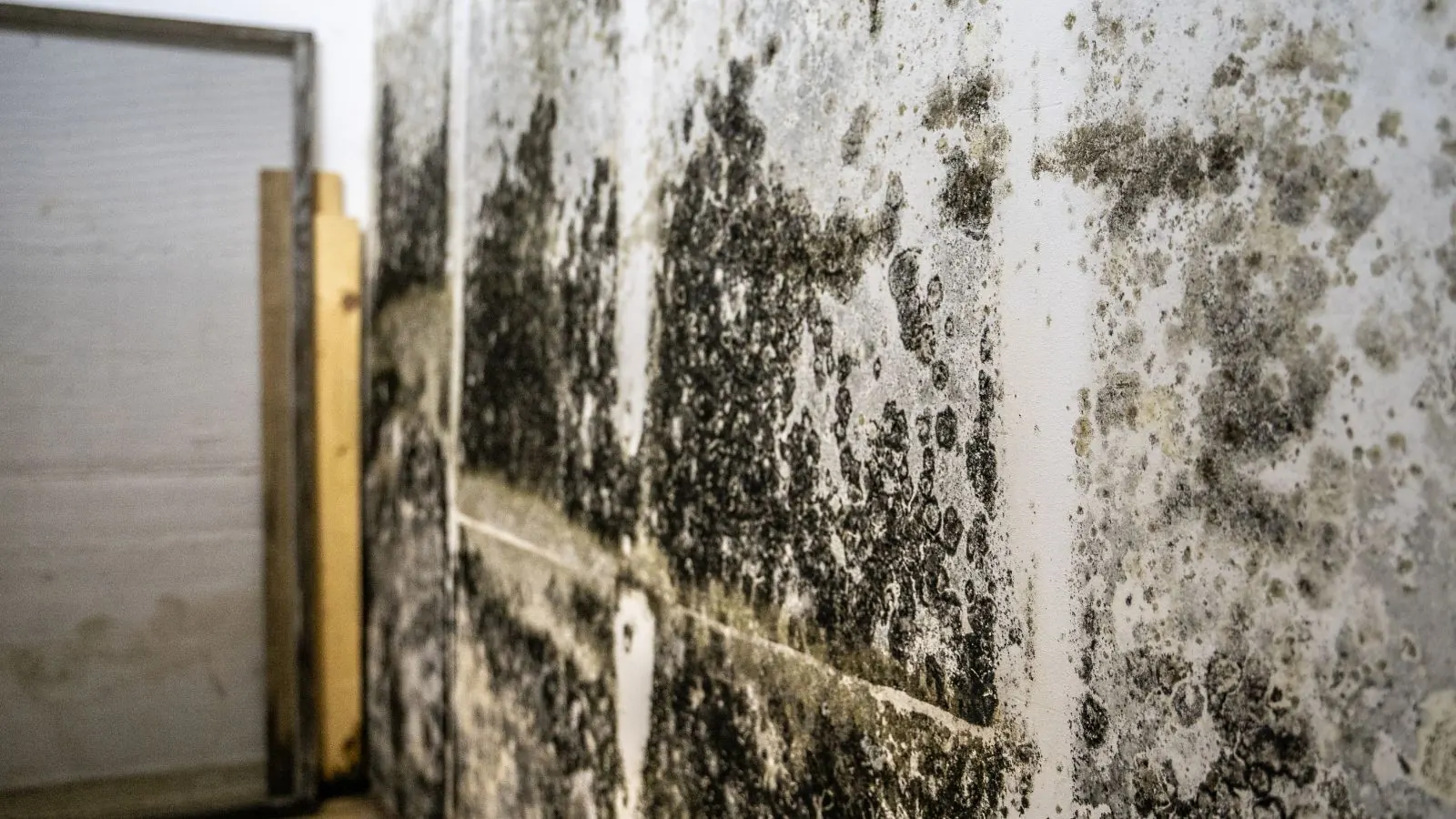
Mold shows up in home sales more often than people expect. A buyer’s inspector spots a stain, a lender asks questions or a seller discovers growth while preparing to list. Once remediation is done, the next question is how to show that it worked.
Clearance testing is the usual answer. This guide explains what it is, why independence matters and how it fits into a sale. It is general information, not legal or real estate advice.
What clearance testing is
Clearance testing, sometimes called post-remediation verification, checks whether a remediated area meets the target set at the start of the job. It usually begins with a visual inspection to confirm that growth is gone and that the area is dry and clean.
Sampling may also be used. Air or surface samples compared against outdoor air or a stated criterion can show whether conditions in the area are consistent with normal.
Why the tester should be independent
If the same company removes the mold and certifies the result, there is a conflict of interest. An independent assessor, who has no stake in the remediation, can write a protocol before the work and verify afterward. Buyers and lenders tend to trust that arrangement more.
Ask any company how testing will be handled before you sign. The S520 standard describes the remediation process, and third-party verification is a common practice for larger jobs.
Mold found before you list?
Mold turned up before a sale? Call and talk through the next steps.
What a clearance report may include
- The scope of the area tested and the date.
- Visual findings about growth, odor and moisture.
- Moisture readings showing the area is dry.
- Sampling method and results, if sampling was used.
- A statement of whether the area meets the stated criteria.
The report is a document you can share with an agent, buyer or lender. It cannot predict how anyone will respond.
How mold comes up in a sale
Buyers may ask for a mold inspection after seeing stains or smelling musty air. Lenders sometimes ask for documentation before closing. A seller who has remediated may need to disclose the history, and the details depend on the contract and local rules.
Ask your agent and a real estate attorney what you must disclose. Keep all records of the work in one folder so they are ready when asked.
Fix the moisture, not just the mold
A clearance report is only as strong as the repair behind it. If a leak or ventilation problem caused the growth, that must be fixed and the structure dried. The mold remediation page explains how removal and drying work together.
If the cause was water damage, structural drying is the step that lowers the chance of growth coming back.
Timing, cost and what to expect
Testing and remediation take time to schedule, so start early when a closing date is set. Costs depend on the size of the area, the number of samples and the lab used. Ask for pricing in writing before you book.
No test can prove a house will never have mold again. It documents the condition on a given day after a defined scope of work.
Questions to ask before you book testing
- Is the tester independent of the remediation company?
- What protocol will be used and who writes it?
- How many samples and where will they be taken?
- How soon will a written report arrive?
- What happens if the area does not pass?
What happens if the area does not pass
Not every area passes on the first try. If visual inspection finds residual growth, dust or moisture, the remediation company typically returns to clean again and dry further. A second verification is then done. This is part of the process and a good reason to build time into your schedule.
If results are unclear, the assessor can explain why and what the next step is. Keep each report, because a record of the trail from first finding to final pass tells a buyer that the work was taken seriously.
Keeping a clean paper trail for the sale
Put the inspection report, the remediation scope, invoices, moisture readings and the clearance report into one folder, in the order they happened. Add photographs from before and after. When a buyer or lender asks, you can hand over a complete story at once.
A buyer who sees a clear record often feels less worry than one who sees only a repainted wall. Records do not replace disclosure, but they make the conversation easier.
Liberty and Clay County local note
Liberty is a college town and a county seat, and its housing stock mixes older homes near the Square and William Jewell College with newer subdivisions toward the Route 291 and Interstate 35 corridors. Older homes with basements are the ones most likely to raise mold questions during an inspection.
Ask your agent about local disclosure expectations, and confirm with City of Liberty Building Inspections at 816-439-4534 whether any permit applies to rebuild work after remediation.
Sellers in Excelsior Springs and Riverside face the same questions, and the line covers both.
Frequently asked questions
Do I need clearance testing to sell my house?
Not always. It depends on what a buyer, lender or contract requires. Ask your agent and keep records either way.
Can the remediation company do the testing too?
It can, but independent testing avoids a conflict of interest and tends to be trusted more.
Does a clean report mean mold will never return?
No. It documents the condition on that day. Fixing moisture is what lowers the chance of return.
Who can advise me about disclosure in Missouri?
Your agent and a real estate attorney. Rules and contracts vary, so ask before you list.
Selling with a mold history?
Call and talk through remediation and documentation.