
Not every wet spot needs a restoration crew. A cup of water on a tile floor is a towel job. But a leak that soaked a wall, flooded a basement or sat overnight under carpet is a different problem. The hard part is knowing which one you have.
This guide offers a simple decision framework. When you are unsure, call and describe what happened. A phone call is not a commitment to book anything.
Situations that can often be handled at home
- A small spill of clean water on a hard floor.
- A small leak caught immediately and wiped up.
- Wet towels, clothing or bedding that can go straight into a washer.
- A small damp spot on a hard surface that dries fully within a day.
Even then, check hidden areas such as under baseboards and cabinets to be sure nothing is still wet.
Situations that call for a professional
- Water that touched drywall, insulation, carpet pad or subfloor.
- Water that sat for a day or longer.
- Any sewage, flood or creek water.
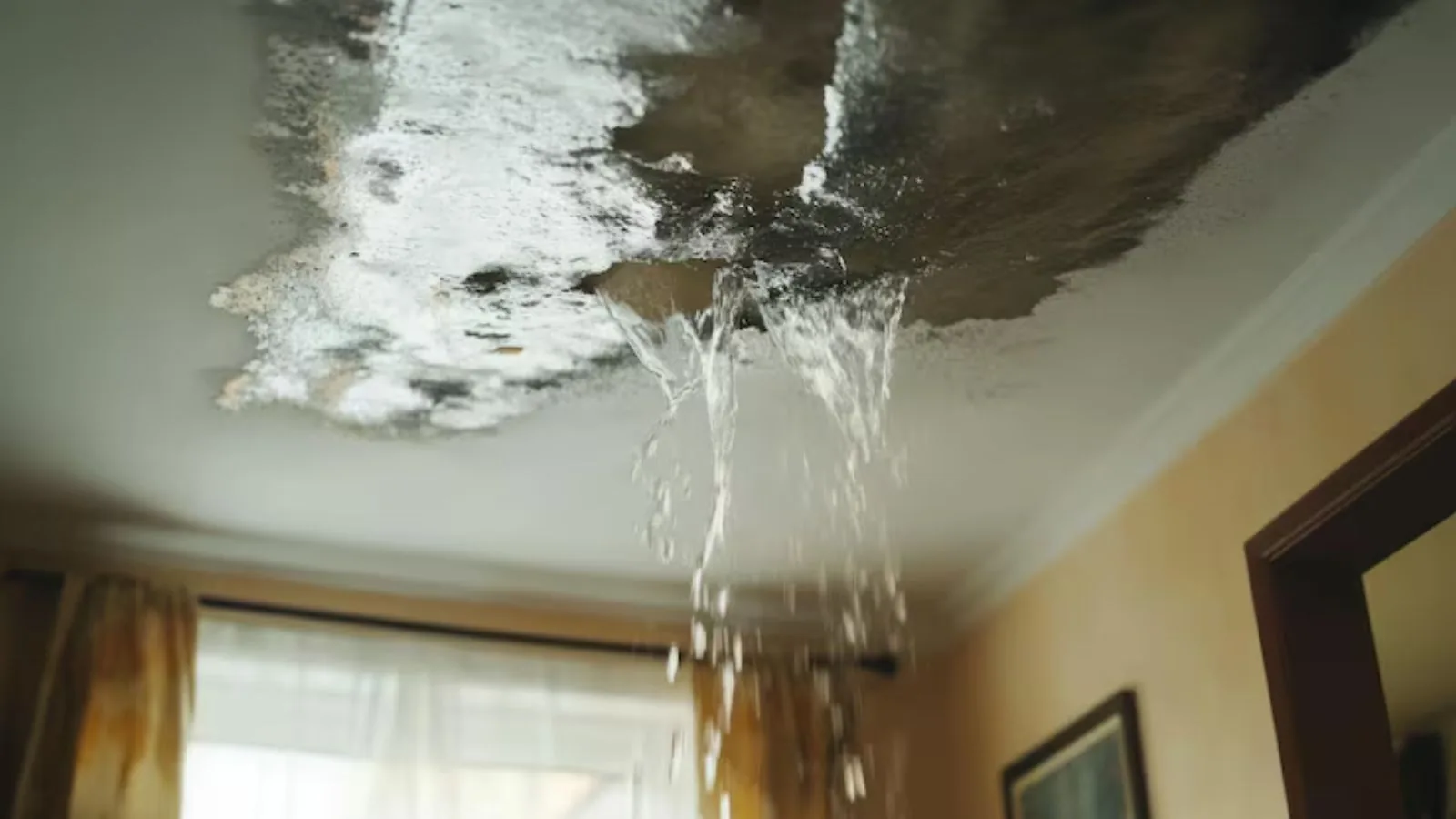
- A ceiling that is sagging or dripping.
- Water near electrical outlets, panels or appliances.
- A musty smell that returns after you dried the area.
These involve hidden moisture, contamination or safety, which household fans and towels cannot handle.
Not sure how bad it is?
Unsure whether it is a towel job? Call and describe what got wet.
Why household fans are not enough
Box fans move air but do not remove moisture, and they can push water vapor into other rooms. Professional drying uses air movers and dehumidifiers matched to the wet area, and readings to show when materials reach the dry standard.
Surface dryness is deceptive. Structural drying and dehumidification explains why materials need to be measured.
What you can safely do in the meantime
Stop the source and extract what you can with a mop or a wet vacuum on clean water. Lift furniture off wet floors and place aluminum foil or blocks under legs. Remove small rugs and wet items. Photograph the damage.
Do not use a household vacuum on water and do not run electrical items in wet areas. Do not use ceiling fixtures under a stained ceiling.
How long can you wait?
Materials start absorbing right away, and growth can begin when materials stay wet for a day or two. That is the reason professionals stress speed. If you are unsure, make the call early and let the crew explain what is needed.
Water that is not clean should never wait. See sewage backup cleanup for why.
What a call actually involves
A call to the 24/7 line is a conversation about the source, the depth, what the water touched and what is safe to do next. Scope and price are explained before work starts. You are not obligated to book anything from a phone call.
That conversation is often the quickest way to learn whether you need help.
Insurance and the decision to do it yourself
If you plan to claim, photograph everything before you start and keep receipts. Doing nothing can hurt a claim, and doing the wrong thing can too. Ask your insurer what they expect.
A professional drying log also gives an insurer something concrete to review.
A simple checklist for deciding
| Question | If yes |
|---|---|
| Did the water come from sewage, a creek or a flood? | Call a professional |
| Did the water touch drywall, insulation or pad? | Call a professional |
| Has it been wet for a day or longer? | Call a professional |
| Is the damage larger than a small area of hard floor? | Call a professional |
| Is there a musty smell after drying? | Call a professional |
If you answered no to all of these and the surface dries fully, a home cleanup may be enough. If not, a call is the safer route.
Mistakes people make when drying at home
Common mistakes include using a household vacuum on water, covering wet carpet with furniture, running a single fan at a wet wall, painting before the wall is dry and assuming that a dry surface means a dry structure. Each one can turn a small problem into a larger one.
If you try to dry something yourself, check it again after a day, smell it and feel it. If it still feels cool, damp or musty, the moisture is still there and it is time to call.
The standard behind this advice
The steps in this guide line up with ANSI/IICRC S500, the published industry standard for water damage restoration. The standard is a reference document, so you can look up how it treats classification, drying goals and documentation.
It does not replace a site visit. Conditions in a specific house decide what applies, which is why readings taken on the day matter more than any rule of thumb.
Liberty and Clay County local note
In Liberty, a lot of water damage comes from plumbing and appliances in houses of many ages. In the Jewell-Lightburne district, homes date from about 1852 to 1946, and older materials such as plaster and old wood floors dry slowly, which is a reason to measure rather than guess.
If a sewer backup comes from the public main, report it to the City of Liberty non-emergency dispatch line at 816-439-4701 and treat the water as contaminated.
The decision framework is the same for readers in Excelsior Springs and Smithville.
Frequently asked questions
Can I dry a wet carpet myself?
Small clean spills may be handled with extraction and fans. If the pad is wet or the water sat a day, professional drying is usually safer.
Is a dehumidifier from the store enough?
It helps with humidity but is not sized for a wet structure. Readings show whether materials are dry.
When should I call even if it seems small?
When water touched drywall, sat overnight, came from sewage or flooding or is near electrical service.
Is a phone call a commitment to book work?
No. The call covers the source, the depth and the next safe step, and scope and price are explained before work starts.
Not sure which way to go?
Call and describe the wet area. The line explains the next safe step.