
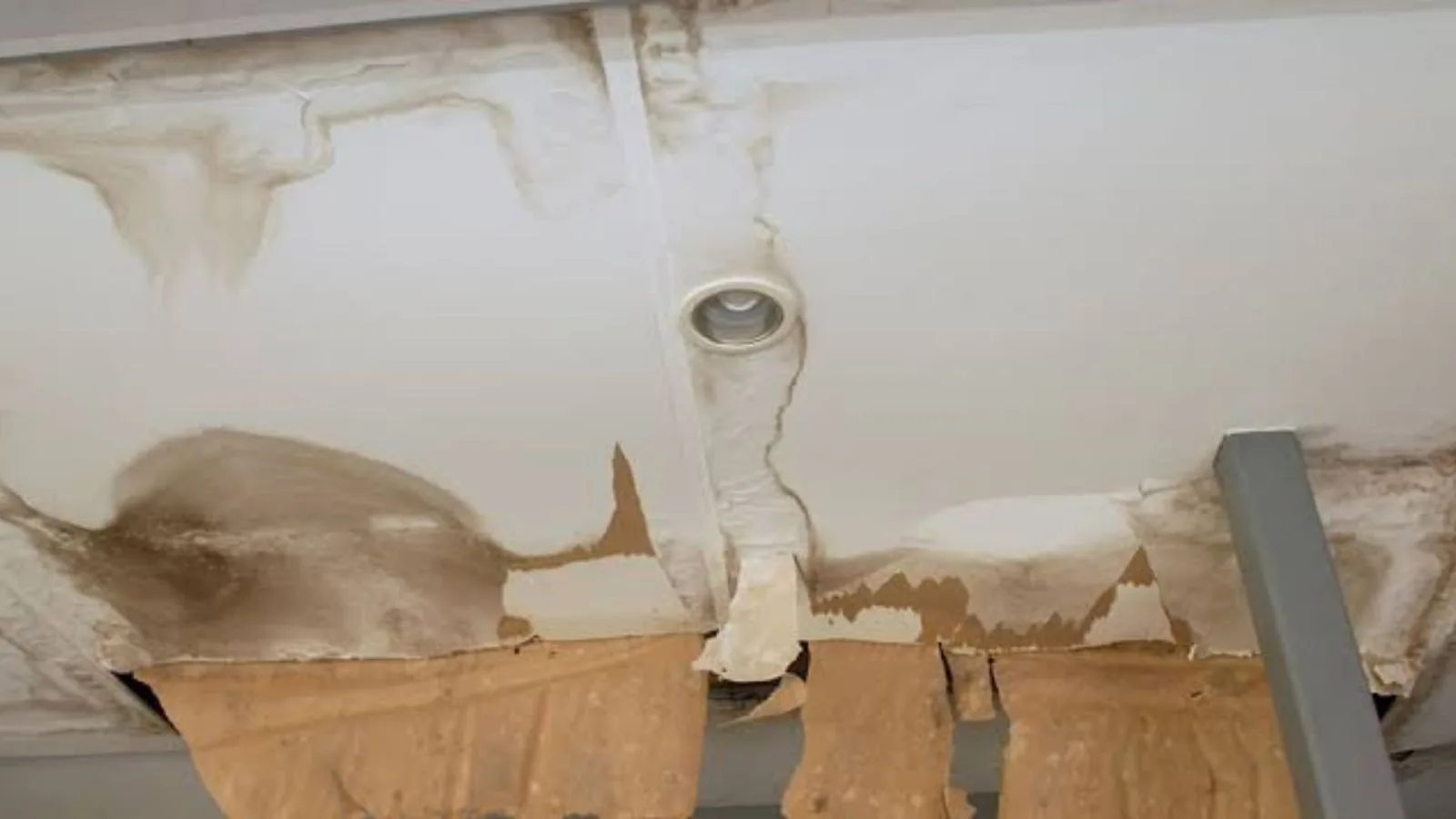
Almost everyone who finds water in a Liberty home asks the same question first: will my homeowners insurance pay for this? The honest answer is that it depends on the cause of the water and the exact wording of your policy. Two floors can look identical and be treated very differently by an insurer.
This guide explains the patterns that show up in most standard policies so you can ask better questions. It is general information, not a coverage decision. Only your policy and your insurer can say what applies to your loss.
The question that decides most claims: sudden or gradual
Most standard homeowners policies cover damage from a sudden and accidental discharge of water, such as a supply line that splits, a water heater that fails or a dishwasher hose that lets go. The same policies commonly exclude damage from continuous or repeated seepage or leakage over weeks, months or years.
That wording is why the date and manner of discovery matter so much. A pipe that burst last night reads as sudden. A stain that has grown for a season reads as gradual, even if you only noticed it today.
Causes that are often covered, and causes that often are not
| Cause of water | How standard policies often treat it |
|---|---|
| Burst or frozen pipe | Often covered when sudden and accidental |
| Water heater or appliance failure | Often covered for resulting water damage, though the failed part itself may not be |
| Storm damage through a damaged roof | Often covered when wind or hail created the opening |
| Rising surface water or river flooding | Usually excluded and needs a separate flood policy |
| Sewer or drain backup | Often excluded unless an endorsement was added |
| Slow leaks and long-term seepage | Often excluded as wear or maintenance |
These are tendencies and not promises. Your declarations page and endorsements control, so read them or ask your agent directly.
Water in your home right now?
Have a wet floor and a policy question at the same time? Call and sort the next safe step first.
Flood and sewer backup are separate conversations
Flood insurance is written separately from a homeowners policy. Rain that runs across the ground and into a basement, or a creek that overflows, is generally treated as flood. If you are near a creek corridor, check your flood zone and ask whether a flood policy makes sense. FEMA’s Map Service Center shows flood zones by address.
Sewer and drain backup often needs its own endorsement. If a floor drain or toilet backs up in a heavy rain, the coverage may depend on whether that endorsement exists. It is worth checking before a storm, not after.
What your insurer expects you to do right away
Most policies expect you to protect the property from further damage. That means stopping the source, removing standing water and starting drying promptly. Reasonable emergency steps are usually part of the claim, but waiting days to act can let a covered loss turn into a disputed one.
Keep receipts for emergency services and materials. Take photographs before anything is moved or thrown away, and write down when and how you found the water. Our page on water extraction explains what the first hours of work look like.
Deductibles, limits and why the number surprises people
A deductible is what you pay before coverage begins. Many homeowners are surprised to find that a small loss sits entirely inside the deductible, so a claim makes no financial sense. Others find sublimits for certain kinds of water or mold damage that are lower than the main dwelling limit.
Before filing, it helps to get the scope of work in writing and compare it to your deductible. Filing a claim can also affect future premiums, so many people ask their agent for general guidance before deciding.
Mold and rebuild after a covered loss
Mold coverage is the part people overlook. Many policies limit it or cover it only when it results from a covered cause of water. Fast drying reduces the chance of growth, and mold remediation is a separate scope when growth is already present.
Rebuild work such as drywall, flooring and paint comes after drying is confirmed. A written scope that separates mitigation from rebuild makes it easier to see what each part involves.
Questions to ask your insurer before work starts
- Is this cause covered under my policy, and are there any endorsements that apply?
- What is my deductible for this type of loss, and are there sublimits?
- Do you want to inspect before standing water is removed?
- What documentation do you need, and what is the deadline to file?
- Who is my adjuster, and how do I reach them?
Write down the date, the name of the person you spoke with and what was said.
The standard behind this advice
The steps in this guide line up with ANSI/IICRC S500, the published industry standard for water damage restoration. The standard is a reference document, so you can look up how it treats classification, drying goals and documentation.
It does not replace a site visit. Conditions in a specific house decide what applies, which is why readings taken on the day matter more than any rule of thumb.
Liberty and Clay County local note
Liberty homes range from houses built in the 1850s to subdivisions near the Route 291 and Interstate 35 corridors. The state registration for the Jewell-Lightburne Historic District counts 236 contributing buildings from about 1852 to 1946, and older plumbing in homes like these is a common reason a slow leak turns up behind a wall.
The City of Liberty operates its own water and wastewater utilities, so a break in the public line outside your home is a call to the city. Inside your walls, the leak is yours to stop. For questions about insurance practices in Missouri, the Missouri Department of Commerce and Insurance is the state agency that handles consumer insurance questions.
The same coverage questions come up for readers in nearby towns, and the call line also serves Kearney and Independence.
Frequently asked questions
Does homeowners insurance cover a burst pipe in Liberty?
Often yes when the discharge was sudden and accidental, but your policy decides. Ask your insurer and keep photographs and receipts.
Is basement flooding from heavy rain covered?
Usually not under a standard policy, because surface water and flood are commonly excluded. A separate flood policy or a sewer backup endorsement may apply.
Should I wait for the adjuster before I start drying?
No. Protecting the property from further damage is usually expected. Photograph everything first and ask your insurer if they want to inspect.
Does the City of Liberty pay for damage from a water main break?
The city operates the public water system, but whether it is responsible for private damage depends on the facts. Report the break and ask the city and your insurer.
Water in the house today?
Call any hour and get the first steps while you check your policy.