
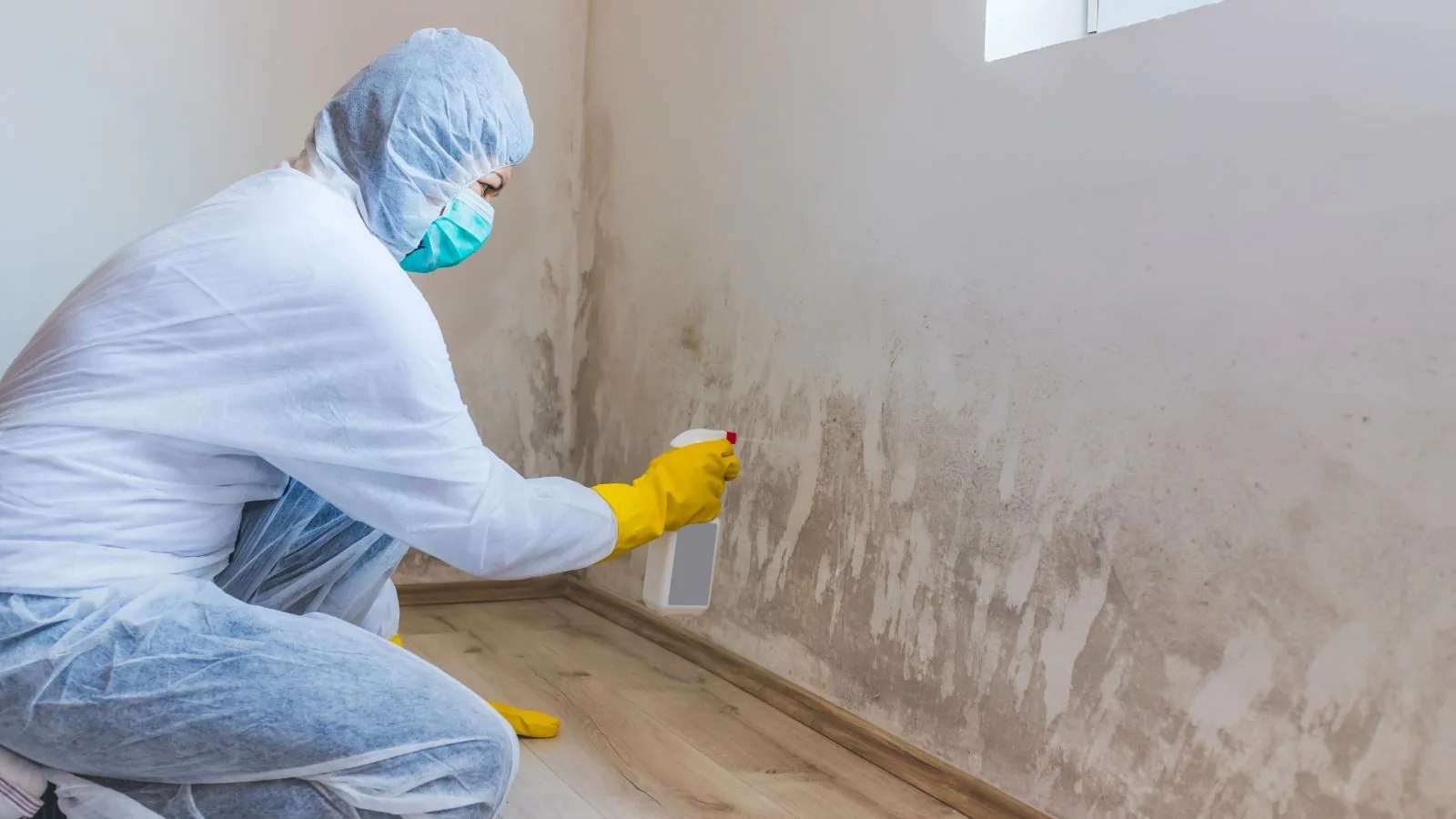
Finding mold after a leak raises an immediate worry about cost. Homeowners policies handle mold in very different ways, and some say very little. Coverage often depends on whether the water that fed the mold came from a covered cause.
This guide explains the patterns people run into so you can ask your insurer the right questions. It is general information. Only your policy and your insurer can say what applies to you.
The cause of the moisture comes first
Many policies treat mold as a result, not a cause. If a covered event, such as a sudden pipe burst, led to mold, some coverage may apply. If the mold grew from ongoing humidity, a slow leak or lack of maintenance, it is more often excluded.
This is why the timeline of the leak matters.
Limits and sublimits are common
Even where mold is covered, there may be a cap that is much lower than the main dwelling limit. Some policies have a separate sublimit for mold, and some exclude it outright unless an endorsement is purchased. The amounts vary, so read the declarations and endorsements.
Ask your agent to point to the exact wording on mold, fungi and wet rot. If a limit applies, ask how it is shared with other costs such as testing and tear-out.
Mold after a leak?
Found growth after a leak? Call and describe where it is and what caused the water.
Speed protects both your property and your claim
Most policies expect you to take reasonable steps to prevent further damage. After a covered water loss, that means stopping the source and drying promptly. Delay can let mold grow, and an insurer may argue that the growth could have been avoided.
Fast extraction and drying are the main defenses against growth, as described on water extraction and structural drying and dehumidification.
Flood and sewer backup mold
If mold follows a flood or a sewer backup, coverage depends on whether you had flood coverage or a backup endorsement. Without them, mold that results from those events is commonly excluded along with the water damage itself.
If you are near a creek or have a basement floor drain, check these coverages before the next storm. They are far easier to add before a loss than after.
What documentation helps a mold claim
- Photographs of the moisture source and the growth before cleanup.
- Dates showing when the leak was found and when drying started.
- Moisture readings and drying logs.
- Invoices for emergency services and testing.
- A written scope that separates drying, removal and rebuild.
Keep every one of these in a single folder.
Testing, removal and rebuild are separate costs
Mold claims can include testing, containment, removal, drying and rebuild. Some of these may be covered and others not. Ask your insurer which parts they will consider and in what order, and ask for any decisions in writing.
Get scope and price explained before work starts. Mold remediation describes what each step involves so you can compare it to an estimate.
If your claim is denied or limited
Ask for the reason in writing and the policy language the insurer relied on. Check whether an appraisal or review process exists. The Missouri Department of Commerce and Insurance handles consumer questions about insurance practices in the state.
Keep your records organized. A clear timeline and good photos make any later conversation easier.
Common mold coverage myths
- Myth: all mold is covered. Reality: coverage depends on the policy and the cause.
- Myth: mold is always excluded. Reality: some policies cover it when it results from a covered loss, often with a limit.
- Myth: you can wait to see if it clears up. Reality: delay can make growth worse and complicate a claim.
- Myth: cleaning it yourself voids coverage. Reality: reasonable steps are expected, but ask your insurer first.
Policies differ, so use these as prompts for questions and not as answers. Your agent can point to the exact wording that applies to you.
Talking with your agent before you have a loss
The easiest time to learn what your policy says about mold is before you need it. Call your agent, ask for the mold and fungi wording and ask whether an endorsement can raise the limit. Ask the same about water backup and flood, since the three often come together.
Write down the answers and keep them with your policy. If the house has a basement or a history of dampness, say so, because it may affect which options are offered. A short call now is far easier than a long dispute later.
The standard behind this advice
The steps in this guide line up with ANSI/IICRC S520, the published industry standard for mold remediation. The standard is a reference document, so you can look up how it treats classification, drying goals and documentation.
It does not replace a site visit. Conditions in a specific house decide what applies, which is why readings taken on the day matter more than any rule of thumb.
Liberty and Clay County local note
Basements in Liberty and across Clay County can sit damp through humid Missouri summers, so mold questions are common. Houses in the Jewell-Lightburne district date from about 1852 to 1946 and may have older foundations, which is a reason to ask your insurer about water seepage wording.
If a rebuild after mold removal involves permits, City of Liberty Building Inspections at 816-439-4534 is the place to ask.
Mold coverage questions are common in Smithville and Excelsior Springs too, and your own policy is what decides them.
Frequently asked questions
Is mold covered if it came from a burst pipe?
Often partly, depending on your policy, and some policies cap or limit mold. Ask your insurer for the exact wording.
Is mold from humidity covered?
Usually not. Ongoing humidity and maintenance issues are commonly excluded.
Will my insurer pay for mold testing?
It depends on the policy. Ask before you pay for testing and keep the invoice either way.
Who can I contact in Missouri if I have a dispute?
The Missouri Department of Commerce and Insurance handles consumer insurance questions.
Mold after a leak?
Call and describe where it is while you check your policy.