
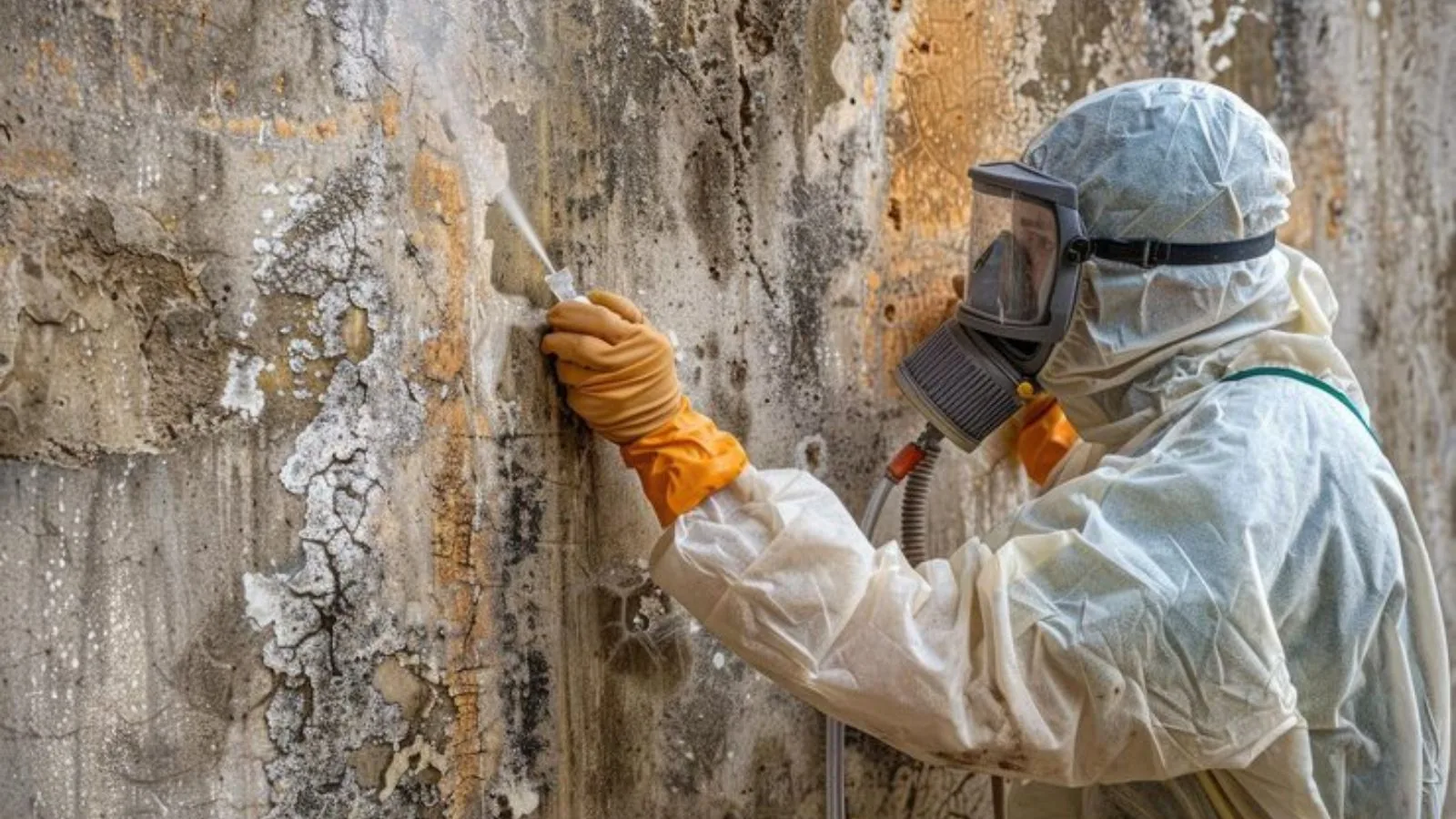
You go downstairs and see dark spots on the wall. The first question is usually whether it is black mold. The second is what to do about it. Color alone cannot identify a type of mold, and the label matters less than the moisture that allowed growth in the first place.
This guide focuses on basements, where moisture, cool surfaces and limited airflow combine. It explains likely causes, what is reasonable to do yourself and when to call for help.
Why basements grow mold
Mold needs moisture, a food source and time. Basement walls offer all three. Concrete and block are porous and hold moisture. Paper facing on drywall, wood framing and stored cardboard give mold something to eat. Cool walls pull humidity out of warm summer air as condensation.
That is why many basements show growth in the same places year after year. The moisture source is still there, even if the wall was cleaned.
Common moisture sources to rule out
- Seepage through walls or the floor slab after heavy rain.
- Water at window wells that fill and leak.
- A plumbing leak, a failed water heater or a washer hose.
- Condensation on cold walls and pipes in humid weather.
- A past flood or backup that was never dried fully.
Which one applies decides the fix. Cleaning without fixing the source is only a short-term answer.
Found mold in your basement?
Dark spots on a block wall? Call and describe where they are before you scrub.
What dark patches on block and concrete may be
Not every dark spot is mold. Efflorescence, a white powdery mineral deposit, appears when water carries salts to the surface and evaporates. Dirt, soot and stains from old leaks also darken walls. Mold is usually fuzzy, slimy or speckled and often comes with a musty smell.
A visual check is a start. Testing or an inspection can confirm what is present if the answer matters for a decision.
What you can reasonably do yourself
EPA guidance says small areas of mold, roughly under 10 square feet, can often be handled by a homeowner on hard surfaces. Wear gloves, eye protection and a mask rated for the job, keep windows ventilated and do not mix cleaning products. Fix the moisture source first.
Soft materials such as carpet, insulation and drywall that have been wet and moldy are usually removed, not cleaned. If the area is larger or you are unsure, stop and call.
When to call for professional help
Call when the growth covers a large area, when it came back after cleaning, when it follows a flood or sewage backup or when it sits behind finished walls. Occupants with health concerns should talk with a physician, and this site does not make health claims.
A professional job follows the ANSI/IICRC S520 standard, with containment and HEPA filtration. Read mold remediation to see what that includes and basement water damage cleanup if the basement was wet.
Keeping the basement dry afterward
Keep gutters clear and downspouts pointed away from the foundation. Grade soil so it slopes away from the house. Test the sump pump before storm season. Run a dehumidifier in humid months and aim to keep indoor humidity between 30 and 50 percent.
Store items on shelves off the floor and away from the walls. Check the basement after heavy rain and after any plumbing work.
Mold behind finished basement walls
Finished basements hide problems. Drywall, paneling and carpet can cover a wet block wall for years. Clues include a musty smell that no cleaning removes, paint that bubbles at the bottom of the wall, baseboards that swell or stain, and visible growth along the edge of the carpet.
If you suspect growth behind a wall, do not cut into it casually. Opening a wall releases spores into the room. Professionals use containment and HEPA filtration when they open the wall, and they check moisture first so they know what they will find.
Safety basics when you do clean a small area
Wear gloves, eye protection and a respirator rated for fine particles. Keep the room ventilated, close doors to other rooms and keep children and pets away. Use detergent and water on hard surfaces and dry the area completely. Never mix bleach with ammonia or other cleaners, since the fumes can be dangerous.
Bag moldy porous materials before carrying them through the house, so spores do not spread. If you feel unwell or the area is larger than expected, stop and call for help.
Liberty and Clay County local note
Many Liberty basements sit in older houses on stone or block foundations. Homes in the Jewell-Lightburne and Dougherty-Prospect Heights districts date from about 1850 to 1946, and foundations from that era were not built with modern waterproofing.
For permit questions on rebuild work after remediation, City of Liberty Building Inspections can be reached at 816-439-4534. The City of Liberty also runs its own water and wastewater utilities, which matters if a basement backup traces to the public line.
Basement moisture is a regional issue, and homeowners in Independence and Smithville can call the same line.
Frequently asked questions
Is black mold on a basement wall dangerous?
Color alone cannot identify the type, and this site does not make health claims. Fix the moisture, avoid disturbing the growth and call for help if the area is large.
Can I just paint over it?
No. Painting does not fix the moisture or remove growth. The mold can come back through paint.
Does bleach kill mold on block walls?
Porous surfaces are hard to clean fully with bleach, and bleach should never be mixed with other cleaners. Fix the moisture and ask a professional for larger areas.
Do Liberty basements need a dehumidifier?
Many do in humid months. Aim to keep indoor humidity between 30 and 50 percent.
Basement growth worrying you?
Call and describe the wall. The first conversation covers cause and next steps.